
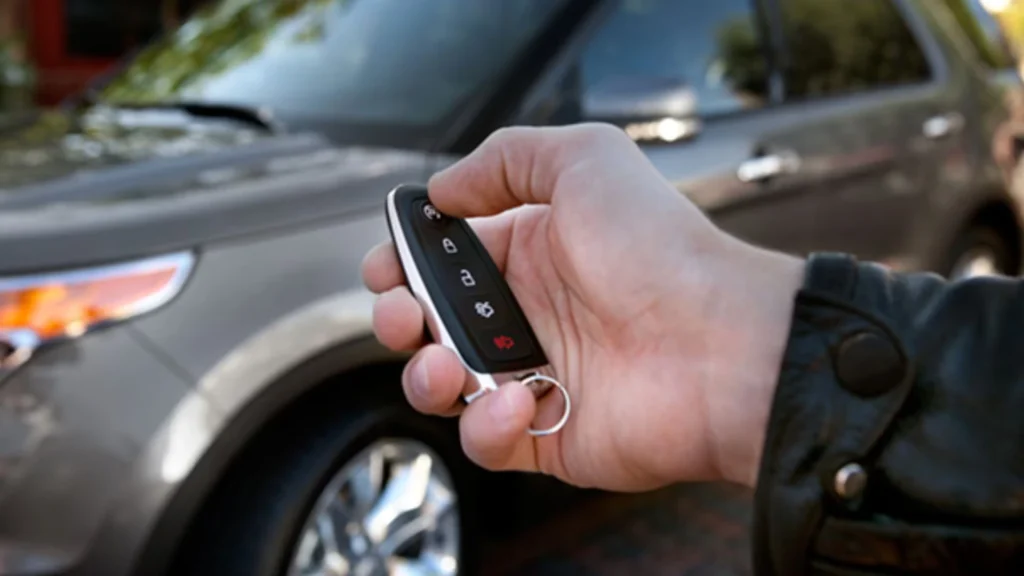
Life moves fast, so naturally people seek small advantages. Often this means turning to tools designed to smooth over everyday annoyances. A remote starter? Folks really like those. Imagine this: a cozy, warm vehicle waits when it’s freezing, or delightfully chilled. Does a remote starter offer genuine help, or is it just a luxury? That depends on your location, lifestyle, and how you value your hours. Weigh the cost against its benefits before making up your mind.
The Undeniable Appeal: Comfort and Convenience
Cold snaps don’t have to mean icy seats, nor do sweltering days demand suffering in a hot car. People choose remote starts for one simple reason: a comfortable climate waits inside when they enter. The temperature plunged to ten below zero, a real teeth chatterer. Instead of bracing against the cold while waiting for the car to warm up, imagine stepping into cozy heat. The engine runs beforehand, so warmth greets you alongside a clear windshield when you finally head outside. Summer’s much the same. Intense sunshine bakes a vehicle into something like an oven. Starting it from afar switches on cooling, easing the stifling warmth so you can actually grip the wheel. Forget fussing with frozen windshields; this really cuts down on morning chaos. Instead of battling ice or hazy views, you gain a calmer, quicker beginning, turning an uncomfortable chore into a simple, pleasant transition.
Beyond Comfort: The Case for Engine and Car Health
Folks frequently worry about damaging their car by remotely starting it, thinking the long idle time hurts things. However, specialists generally agree that letting a frigid engine run for a bit before driving is helpful, even though leaving an engine running just to let it sit isn’t smart. When it’s really cold, motor oil gets sluggish. So, letting your car idle briefly helps the oil flow throughout everything, meaning less strain on components alongside extended life for the engine. Engines perform best when warm. Warming up an engine beforehand cuts down on inefficient cold starts, improving gas mileage while also lessening pollution early in your trip. Before you even turn the key, get a clear view by starting the defroster and defogger from afar. It’s about more than just feeling good: it genuinely boosts how safe you are on the road by ensuring immediate, crystal clear visibility.
Security and Feature Upgrades
These days, a remote start does way more than simply fire up your engine from afar. Instead, they deliver extras: useful additions to owning a car.
Types of Remote Starters
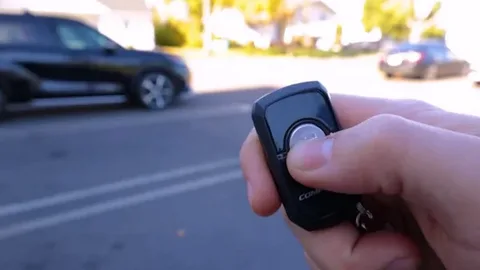
The simplest option: cheap too. Push a button, the vehicle ignites, however there’s zero confirmation beyond what you directly perceive; listen for the engine or watch for signals.
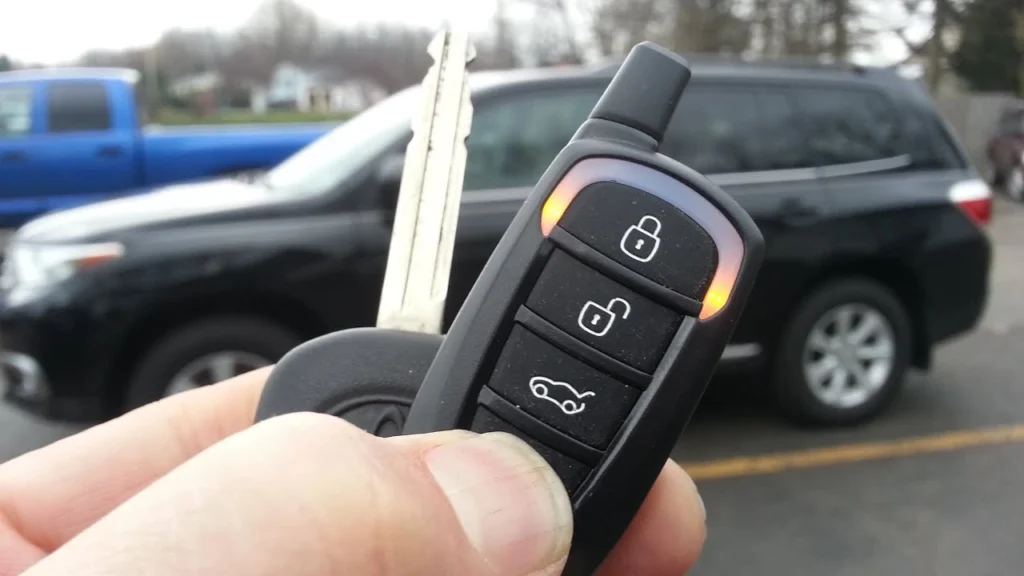
It talks to your vehicle: a ping sent, then a reply comes back to your key. You’ll see this often on a small screen or through blinking lights. So you know things are happening as they should: the motor’s started, doors secured, perhaps even how warm it is inside. Using your phone, these systems connect via cell networks so you can fire up your engine remotely, pretty much wherever you are. Typically, they also offer extras such as locating your vehicle on a map, monitoring battery health, alongside maintenance reminders; however, expect a yearly charge for access. This freedom from range limits is ideal for large parking garages or distant offices. Anti Theft Features Cars today boast strong security. Even when activated from afar, they keep their doors fastened. Should a thief manage to get inside a running car, the engine will halt instantly, either when the brake is touched or a door swings open, stopping a getaway. It won’t restart without the genuine key or proper code. Modern technology ensures that convenience never sacrifices your vehicle’s security.
The Investment: Costs and Considerations
Okay, let’s talk about money. How much will a remote start set you back? Well, that really depends: it changes based on what extras come with it, likewise how tricky your car is to work on.
System Costs (Parts Only)
Simple car alarms start around $100. More advanced ones, those offering two way communication or phone integration, usually cost between $300 to $500, potentially higher.
Installation Costs
Getting it set up is where the price really matters. Expect to pay between $150 to $350, maybe more, based on your car; older ones are simpler. Modern cars, however, frequently need an extra piece to work with their security systems, which bumps up the total. Getting this installed by a pro is a really good idea. Though you might find simple kits sold for self installation, messing it up could seriously harm your vehicle’s electronics. Experts handle setup, guaranteeing safety alongside a work quality guarantee.
What you gain versus what you give up
Think twice before starting up: even a little idling eats gas. Frequent starts also nudge fuel use upward, though it’s not huge. Letting a vehicle run while still, that wastes fuel, creating pollution. Newer cars help with this; they typically turn themselves off after ten or fifteen minutes of sitting. Never activate your remote starter when the vehicle is sitting within a garage. You can’t smell or see carbon monoxide, yet it accumulates fast: a potentially fatal hazard. Before you turn the key, get a feel for what’s around your car. Carbon monoxide is a serious threat; therefore, drive outdoors whenever possible, but if that isn’t an option, open the garage door fully first.
The Verdict: Is It Worth It?
When weather extremes, bitter cold or intense heat, are typical, remote start offers real ease. Similarly, if hectic mornings involve icy windshields or sweltering waits, think of it as buying peace of mind. Furthermore, exposed parking spots become less stressful knowing your car is ready thanks to features like two-way alerts or phone access. A remote start seems unnecessary if you’re somewhere warm or the garage keeps your vehicle. Yet, when winter bites hard, it’s a real benefit, comforting to know your car will be ready, also genuinely useful. It isn’t just a treat; rather, a simple upgrade that makes life easier. You’ll likely save so much time, not to mention headaches, that the price feels small. Because this one change makes getting around enjoyable rather than dreadful, it quickly pays for itself.